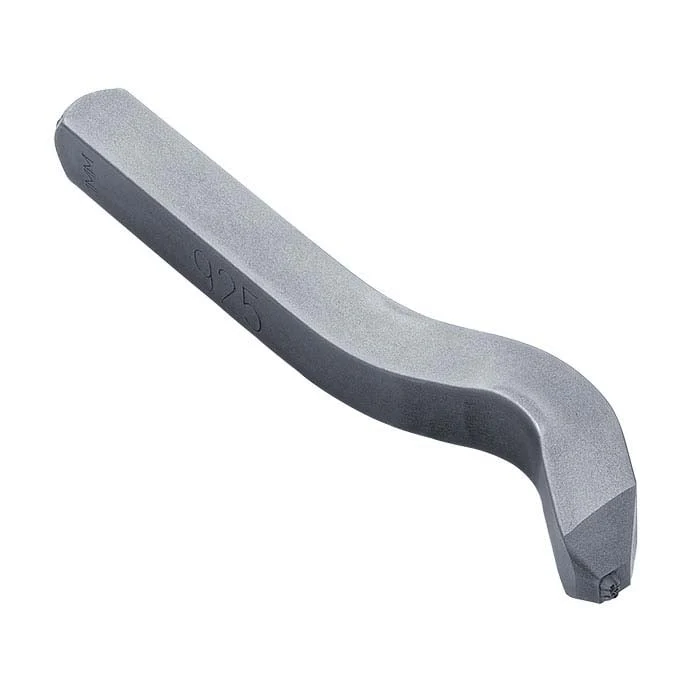
Marking Stamp, "925," Bent Shank
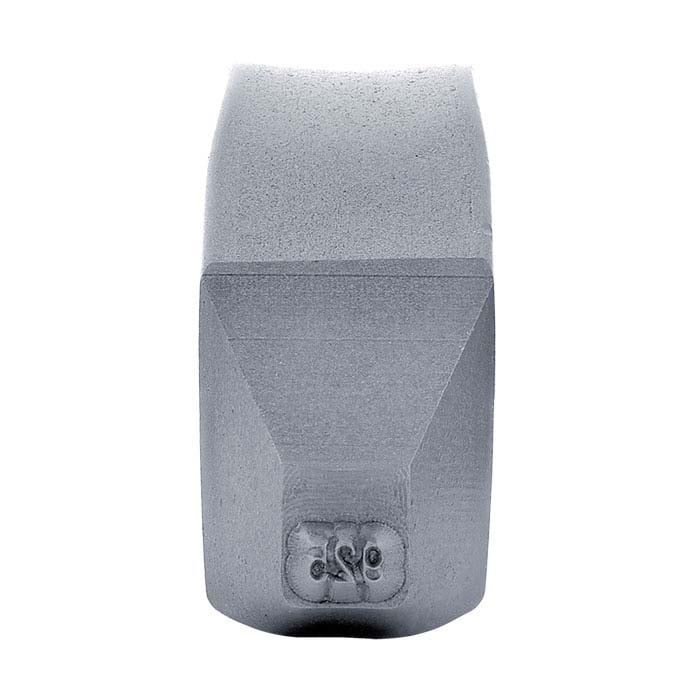
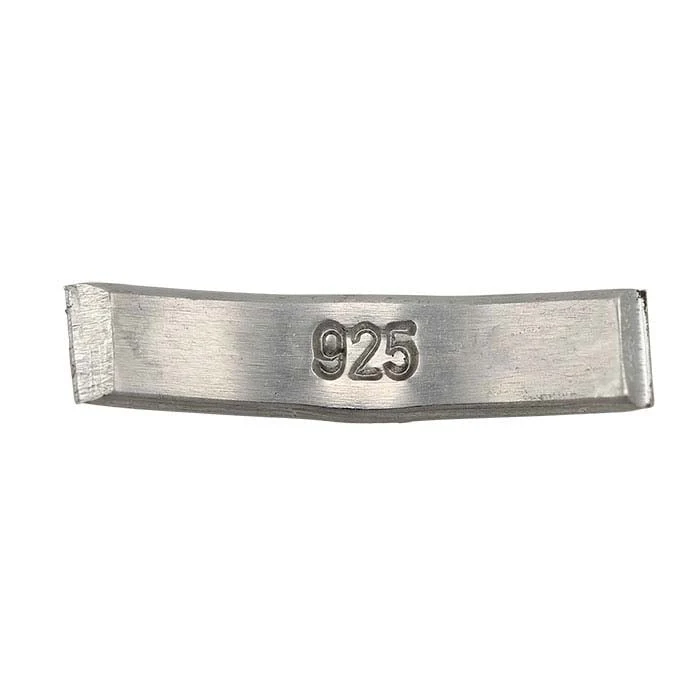
This bent marking stamp reads "925"; ideal for quality-marking your designs. The stamp is precision-engraved from 5/16" tool steel oil-hardened to 58/62 HRC, delivering crisp, detailed surfaces and a long service life. Stamps with a bent shank have a notch near the tip that makes them ideal for stamping curved surfaces such as the inside of a ring or bangle; the slightly domed striking surface ensure a crisp, clean mark. For best results—and because any stamped mark is not easy to remove once it's made—it's important to practice before attempting to mark your jewelry designs. Scrap pieces of sheet or base metal ring blanks are ideal for helping you get the feel of both the stamp and the power needed for an effective hammer strike. Use a brass mallet to strike the stamp to help prevent damage to your stamp, and support your workpiece on a bench block or an anvil. Finally, do your stamping before setting stones so that there is no risk of damaging settings or loosening set stones.
Product Information
Product Information
Shipping & Returns
Shipping & Returns
Description
This bent marking stamp reads "925"; ideal for quality-marking your designs. The stamp is precision-engraved from 5/16" tool steel oil-hardened to 58/62 HRC, delivering crisp, detailed surfaces and a long service life. Stamps with a bent shank have a notch near the tip that makes them ideal for stamping curved surfaces such as the inside of a ring or bangle; the slightly domed striking surface ensure a crisp, clean mark. For best results—and because any stamped mark is not easy to remove once it's made—it's important to practice before attempting to mark your jewelry designs. Scrap pieces of sheet or base metal ring blanks are ideal for helping you get the feel of both the stamp and the power needed for an effective hammer strike. Use a brass mallet to strike the stamp to help prevent damage to your stamp, and support your workpiece on a bench block or an anvil. Finally, do your stamping before setting stones so that there is no risk of damaging settings or loosening set stones.